Milling Cutters for Precision Engineering & CNC Machining

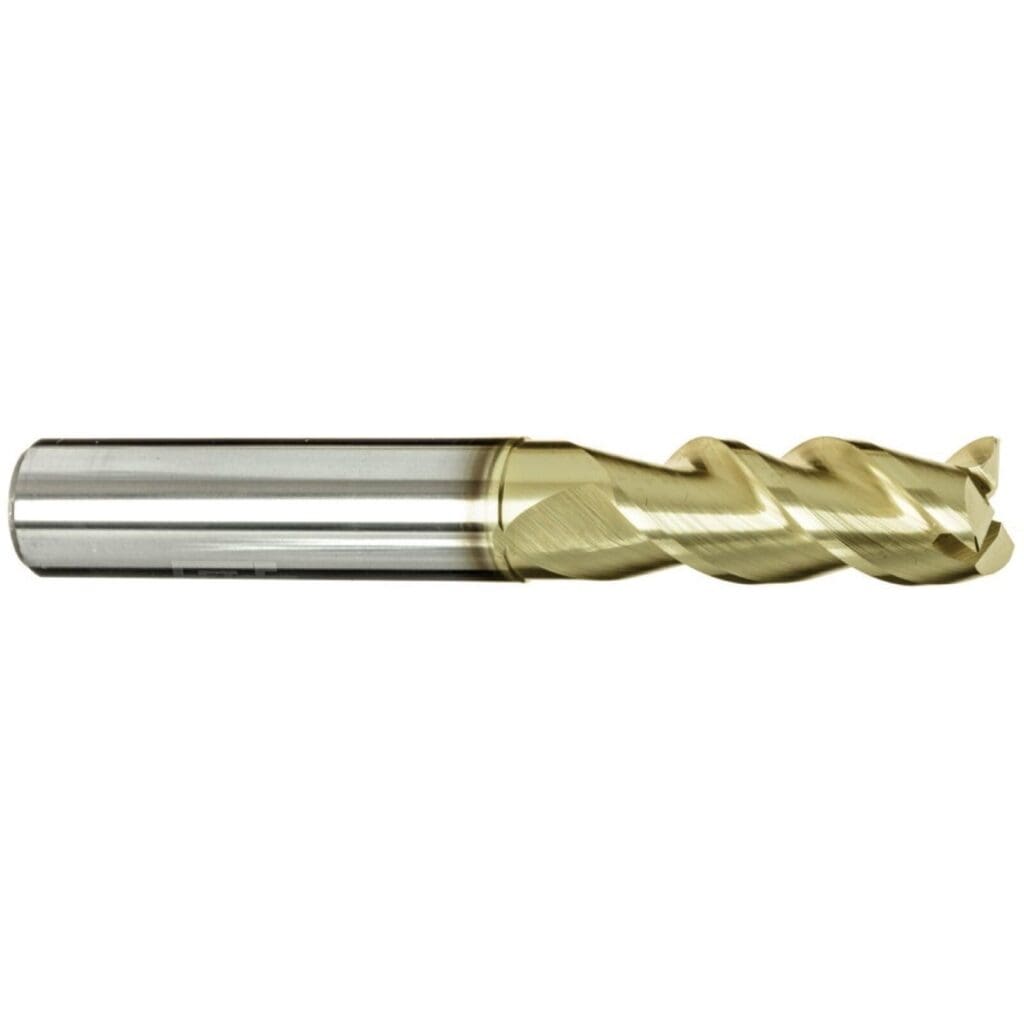
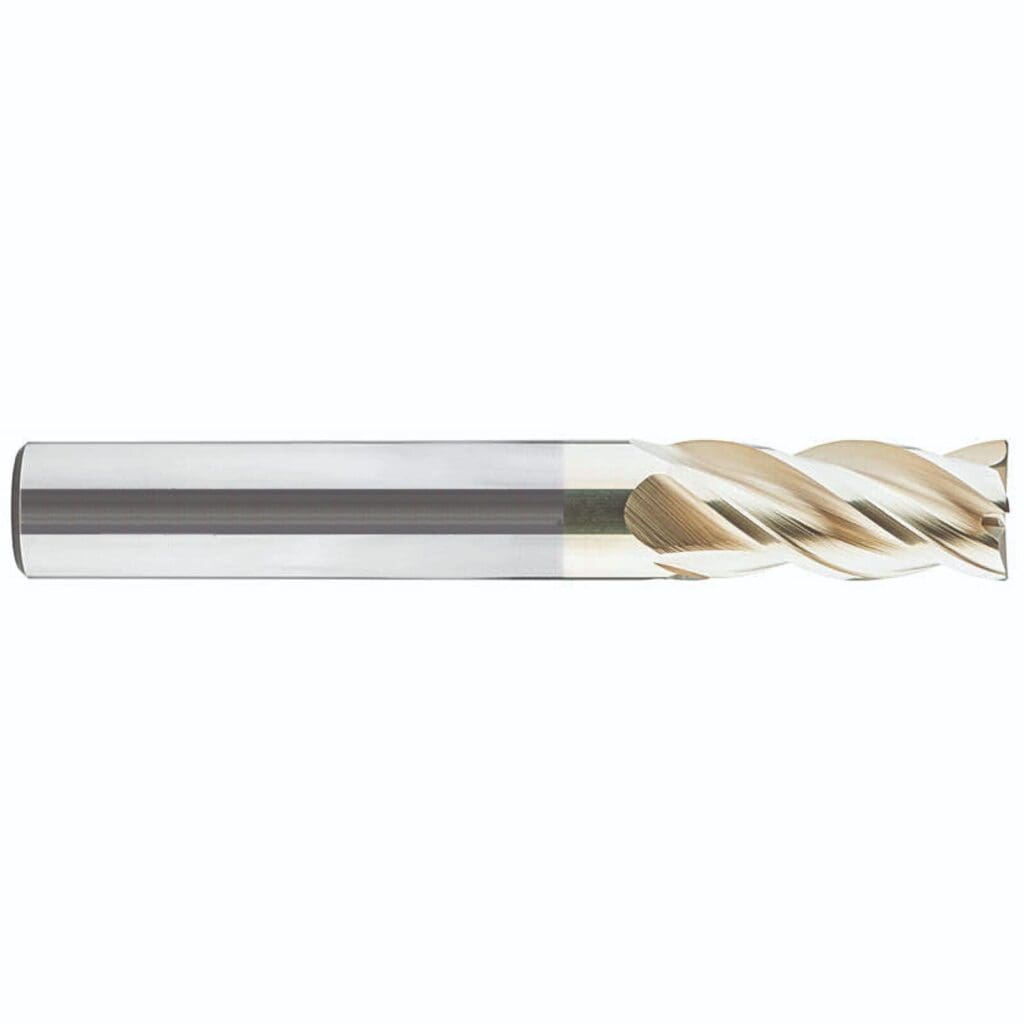
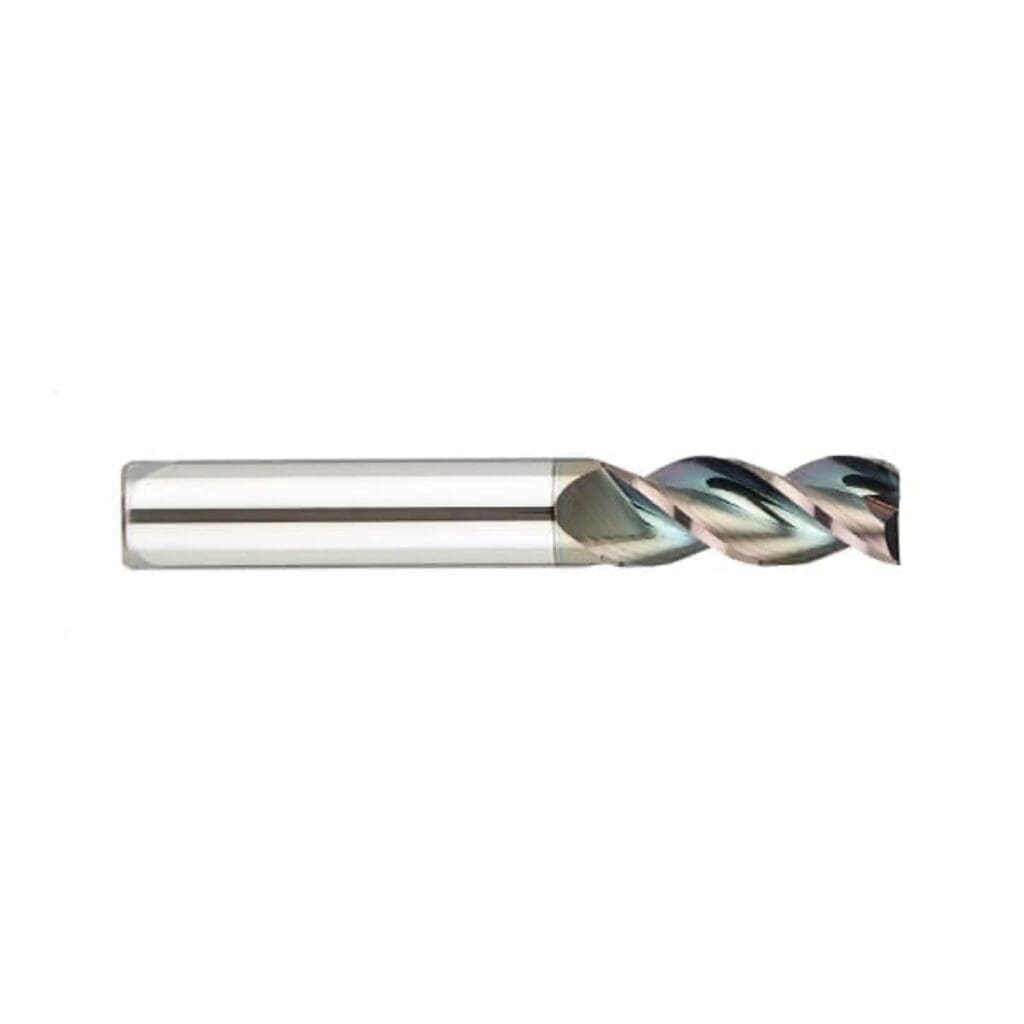
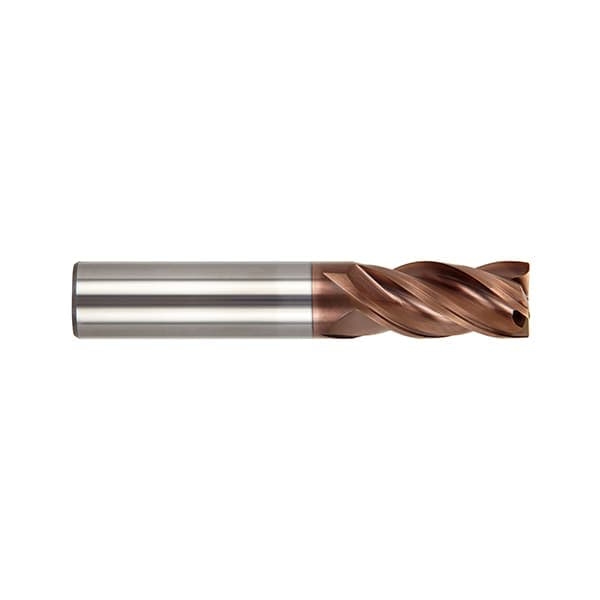
Market-leading solid carbide milling cutters, HSS milling cutters, and indexable milling tools.

The strength and depth of our milling portfolio and the technical ability of our engineers puts Sutton Tools UK at the forefront of milling cutter suppliers throughout the UK.

Shop Milling Tools By Type

Shop Milling Tools By Material

Our ever-expanding cutting tool portfolio allows us to supply complete tooling packages for customer projects, from conception through to completion, meeting the demands of manufacturing industries such as aerospace, automotive, medical, oil and gas, general engineering and more.

Custom Tooling

Our comprehensive range of standard milling cutters covers a vast majority of precision machining applications, but for those milling applications that require specific dimensions or geometries we provide an excellent service on design and manufacture of special tooling. From one off specials to multi-year supply contracts, we can satisfy your requirements. Please view our Tool Catalogues.

milling tool 1

Technology

Fenn Tool also supply a comprehensive and extensive range of ancillary tooling equipment such as Heat-Shrinking Machines, Balancing Machines and Presetting Machines. Please see the below list of our Major Supplied Brands but note this is only a small selection of what we able to supply. For more information on our full range of products please contact our Sales Team on 01376 347 566.
milling tool 2

Featured Product

MAYKESTAG Speedtwister - STC end mill

Sutton Tools UK offers the all-new Maykestag ‘Speedtwister’. The Speedtwister is suited to static and dynamic milling strategies as it is specifically designed for Speed Trochoidal Cutting. With huge cutting depths of up to 5xD, high tech coating technology and optimised tool geometry for perfect chip formation, the Speedtwister provides increased productivity and profitability.

UK's Trusted Supplier of High Performance Milling Cutters

We distribute superior European-branded tools, including a selection of Milling Cutters, Groove Milling, Indexable Milling Systems, Form Milling Tools and Chamfer Milling. We’re also leading UK manufacturer of our own high-performance brand of ‘Fenn’ solid carbide milling tools.

Fetoga

Solid Carbide:

  • Mini Series End Mills
  • Stub, Standard and Long-length End Mills
  • Ballnose End Mills
  • Rippers
  • Variable Helix Endmills
  • Multi Flute End Mills
  • Diamond Coated End Mills

Fetoga

Solid Carbide:

  • Mini Series End Mills
  • Stub, Standard and Long-length End Mills
  • Ballnose End Mills
  • Rippers
  • Variable Helix Endmills
  • Multi Flute End Mills
  • Diamond Coated End Mills

Shpinx

  • Micro End Mills
  • Micro Ball Nose End Mills
  • Micro Chamfer Tool/End Mill
  • Micro Engraving Mills

Maykestag

Solid Carbide & HSS:

  • Mini Series End Mills
  • Mini Long Series End Mills
  • Stub, Standard and Long-length End Mills
  • Extra Long Series End Mills
  • Slot Endmills
  • Ballnose End Mills
  • Rippers
  • Variable Helix Endmills
  • Multi Flute End Mills
  • Chamfer Mills
  • Corner Rounding Cutters
  • T Slot Endmills
  • Woodruff Cutters
  • Dovetail Cutters
Maykestag Cutting Tool Distribution

ZCCCT

  • General Indexible Milling
  • Disc Milling
  • Face Milling
  • Copy Milling
  • High Feed Milling
  • Helical Milling
  • Square Shoulder Milling
ZCC CT Logo-Small

Milling Tool FAQs

Milling is a machining process where a milling machine spindle holds a tool holder, which then secures a cylindrical milling cutter.

These milling cutters remove swarf and shape the workpiece through precise cutting movements. Depending on the operation, machinists may use end mills, face mills, or CNC carbide milling cutters to achieve the desired material removal and surface finish.

In different milling applications, there are many types of milling cutters suitable for various applications. These milling cutter types include:

  • Roughing end mills – for heavy material removal
  • End mill cutter – for high-quality surface finish
  • Ball cutter – for contouring and corner radius work
  • Radius End Mills – for smooth internal corners
  • Face milling cutter – for flat surface machining
  • Shell mill – for high-speed machining setups
  • Hollow mill
  • Thread mills
  • Slab mills
  • Hob
  • Fly cutter
  • Side-and-face cutter
  • Dovetail cutters
  • Involute gear cutter
  • Woodruff cutters

At Sutton Tools UK, we also offer a range of precision-engineered milling cutters for bespoke applications to general purpose needs.

Browse our shop for more information on our products.

HSS milling cutters are cost-effective, ideal for low to medium speeds, and perform well on softer metals or small batch runs.

Carbide milling cutters offer superior wear resistance, longer tool life, and high-speed performance — particularly effective for machining steel, stainless steel, and aluminium.

For advanced CNC operations, solid carbide or indexable milling cutters are the preferred choice due to precision and durability.

When choosing the right milling cutter, consider the workpiece material, cutting conditions, and the desired surface finish. For CNC operations, carbide and indexable milling cutters generally provide the best performance and consistency under high-speed conditions.

Evaluate key factors such as the stock to be removed, shape of the profilesmachine capability, and tool holder rigidity. Determine whether high speed steel (HSS) or carbide tooling is most suitable for your application — HSS cutters are ideal for general-purpose use, while carbide cutters excel in harder materials and high-speed environments.

Assess the following performance factors to ensure accuracy and efficiency:

  • Feed rate and spindle speed to match material hardness

  • Cutting diameter and corner radius for geometry precision

  • Roughing or finishing intent to achieve the required surface quality

  • Machining aluminium, steel, and non-ferrous materials with the correct coating or flute design

Finally, balance technical performance with cost efficiency. Consider not only the cutter’s purchase price, but also tool life, machining time, and operator labour cost. The most effective milling cutter will deliver the required specification at the lowest overall cost per part, maximising productivity and profitability in your machining operation.

There are many features of a milling cutter as they are available in different shapes and sizes and are manufactured for general purpose or specific machining tasks. The following are variable features of milling cutters:

Shape – In today’s machining industry, solid carbide milling cutters are produced in several standard shapes.

Teeth/Flutes – The flutes of the solid carbide milling cutter run up the cutter and are deep helical grooves, and the tooth is a sharp blade that runs on the flute’s edge and is designed to cut away the workpiece. Due to the rotary movement, remnant material (swarf) is then pulled up the cutting edges of the flute.  Two, three, or four is the most common number of teeth for a milling cutter, and usually, more teeth can remove materials quicker.

Helix Angle – Milling cutters are usually helical as vibration is reduced when the tooth gradually contacts the material. To result in a better finish, finishing cutters have a higher rake angle.

Centre Cutting – Some have teeth that do not meet at the end face centre, so these cannot plunge through materials, whilst others can. At roughly a 45-degree angle, these cutters can cut in a downward motion.

Roughing or Finishing – Roughing is when a lower-quality surface finish is achieved by using a solid carbide milling cutter to remove increased amounts of material. If a roughing end mill is needed to break down material into smaller pieces, it may have serrated teeth which leave a rough finish. Finishing is when a higher-quality surface finish is achieved by removing less material. These types of cutters may remove aluminium and other materials more precisely due to the large number of teeth.

Coatings – Tool coatings can ascertain increased tool life, cutting speed, and surface finish. There are various different coatings that can be used, with different coatings being better suited to different materials being cut. For a tool required to withstand higher abrasive wear, PCD (Polycrystalline diamond) can be used which can offer exceptional tool life, increased up to 100 times when compared with uncoated. Each various coating we offer at Sutton Tools UK has its benefits which is why our technical engineers are on hand to advise on a coating to best suit your milling cutters and provide you with increased tool life.

Shank – The cylindrical part of the tool that is held in the holder is called the shank. A shank can have a Weldon Flat, where contact from a set screw increases torque, or it can be round and held by friction.

Sutton Tools UK manufactures and distributes high-performance milling cutters manufactured from solid carbide so that you can achieve high speed and high feed milling. You will find products in our FENN range suitable for machining aluminium, steel (stainless steel and alloy steels), and cast iron.

Milling cutters are essential in CNC machining and precision engineering across a wide range of materials:

  • Machining aluminium – using high-speed carbide or coated end mills for smooth finishes.

  • Machining steel and stainless steels – with indexable or roughing cutters to manage tool wear.

  • Machining non-ferrous materials – using sharp-edged HSS or PCD-coated cutters for clean cuts.

These tools are commonly used in manufacturing, aerospace, and automotive sectors for slotting, contouring, and surface finishing.

Chip formation refers to how material is removed during cutting. Efficient chip control reduces heat, vibration, and tool wear. The cutter’s rake angle, flute design, and feed rate all influence chip flow. Proper chip formation ensures better surface quality and longer tool life — especially important when machining tougher materials like stainless steel or titanium.

Face milling uses a large cutter to machine flat surfaces, while end milling involves smaller tools for profiles, slots, and contours. CNC setups often use both depending on geometry requirements.

A corner radius cutter provides stronger edges and smoother transitions between surfaces, reducing tool breakage and extending life — especially valuable in mould and die applications.

Scroll to Top